Komm Susser Tod and the fictive dream
Introduction:
While there are countless mecha anime, Neon Genesis Evangelion
is arguably the most influential one, and undisputably one of the most
influential anime of all time. When it was created by Hideki Anno in 1995,
most anime was focused on epic fights and more traditional hero’s journeys, Evangelion
instead threw all of that to the wind to create a more personal story based instead
around the psychology of its very damaged main cast. The culmination of its
exploration of trauma and interpersonal relationships was the movie End of
Evangelion, which was directed by Hideaki Anno and Kazuya Tsurumaki
and written by Hideaki Anno. It was released in Japan in July
1997.
For this post, I’m going to look at Komm Susser Tod, one of the most striking songs from the climax of End of Evangelion. Before I go into the story significance of the song, I will first provide some background for the song. Komm Susser Tod was composed and arranged by Shiro Sagisu, its lyrics were originally written in Japanese by Hideki Anno, but were adapted to English by Mike Wyzgowski, lastly the vocals were done by Arianne Schreiber.
Story:
Evangelion packs as much story as
possible into its 26 episodes and movie, so even when trying to keep it brief, this
section will be decently sized. Evangelion is set in a somewhat recovered post-apocalyptic
world, 20 years before the start of the show, a massive explosion in Antarctica
was caused by a long asleep primordial being known as Adam’s DNA being combined
with human DNA. The explosion was so massive it was effectively covered up as a
massive meteor and is now collectively known as the second impact. The surviving
governments of the world realized that, eventually, new beings unlike any known
life would attempt to combine with Adam once again to start the third and final
impact. This all leads to the creation of Project Eva, which was created by the
protagonist’s father to stop the Angels. Project Eva creates mechs known as Evangelion,
to fight the Angels, but they can only be piloted by a select few.
The series follows 14 year old
Shinji Ikari, one of the only pilots, who serves as an inversion of the normal action
protagonist. While most protagonists at the time would be confident and fight without
much hesitation, in the first episode, Shinji has to be guilted by his father into
piloting an Eva. As we see more of Shinji, we learn that he suffers from significant
issues due to his father’s neglect of him after his mother’s death now Shinji has
a deep seated self-loathing that leads him to believe no one can love him. As the
series continues, he cracks mentally more and more.
The movie starts with the
protagonist having defeated the last Angel, but now he and all of the cast are
at their lowest after so much loss and pain throughout the show, but even with
the Angels gone, things only get worse. An organization launches attacks on Project
Eva’s base, seeking to end the world in a very different way. A shadow organization
known as SEELE seeks to acquire Adam’s opposite, Eve, to bring about
instrumentality, a merging of all souls into one. During the battle, Shinji can’t
save those around him, and he finally breaks completely. SEELE fails, though, because
Rei, Shinji’s friend, combines with Eve and ascends to godhood before offering Shinji
a wish, and finally, beyond the point of sanity, he wishes for it all to end.
The song Komm Susser Tod plays as we see the world end, and the movie
then transitions from different character perspectives as the song plays.
Role of the song:
The song plays to express the inner
thoughts of Shinji as the world ends. He couldn’t save anyone, and so he has fallen
into complete despair. As the song plays, we see numerous different perspectives
as the world ends, and the song is used so as this happens his different yet equally
bleak feelings can be conveyed. Lyrics like “I just keep letting me down,
letting me down” show his self-loathing, while other lyrics convey the character's
guilt so we can understand what is going through his head emotionally without
having to have him on screen. Another important part of the song expressing Shinji’s
feelings is that he is so far gone sanity wise it would feel awkward if he was clearly
monologuing his feelings during the scene and also it wouldn’t as easily allow
for other perspectives to be simultaneously shown. Another feeling of the
protagonist it expresses is that his long running self-hatred has come to a
head with the belief he shouldn’t exist either.
Musical Elements:
Melody:
The Melody of Komm Susser Tod purposely contrasts the lyrics of the song, and that’s what makes it so great in my
opinion. While the lyrics express so many regrets and negative feelings, the Melody
is purposely simple and happy sounding. At the start, the piano is firmly at the
forefront of the melody, but it quickly changes to the drums, becoming the
center of the melody with occasional piano and guitar joining it. In the second
half of the song, the center of the melody yet again changes to clapping that
is paired with gentle guitar and drums.
Dynamics:
The song’s vocals start off at a
medium volume level that feels on par with someone talking, and the instruments,
while very different in vibe, stay at similar dynamics. For the first few
minutes of the song, it stays very consistent in volume, which benefits the feeling
of lamentation the lyrics have. Around the four minute mark, the chorus increases
in volume, and the song shifts somewhat up in energy from it. The dynamics were
changed to complement the shifting intensity of the scene the song was made for.
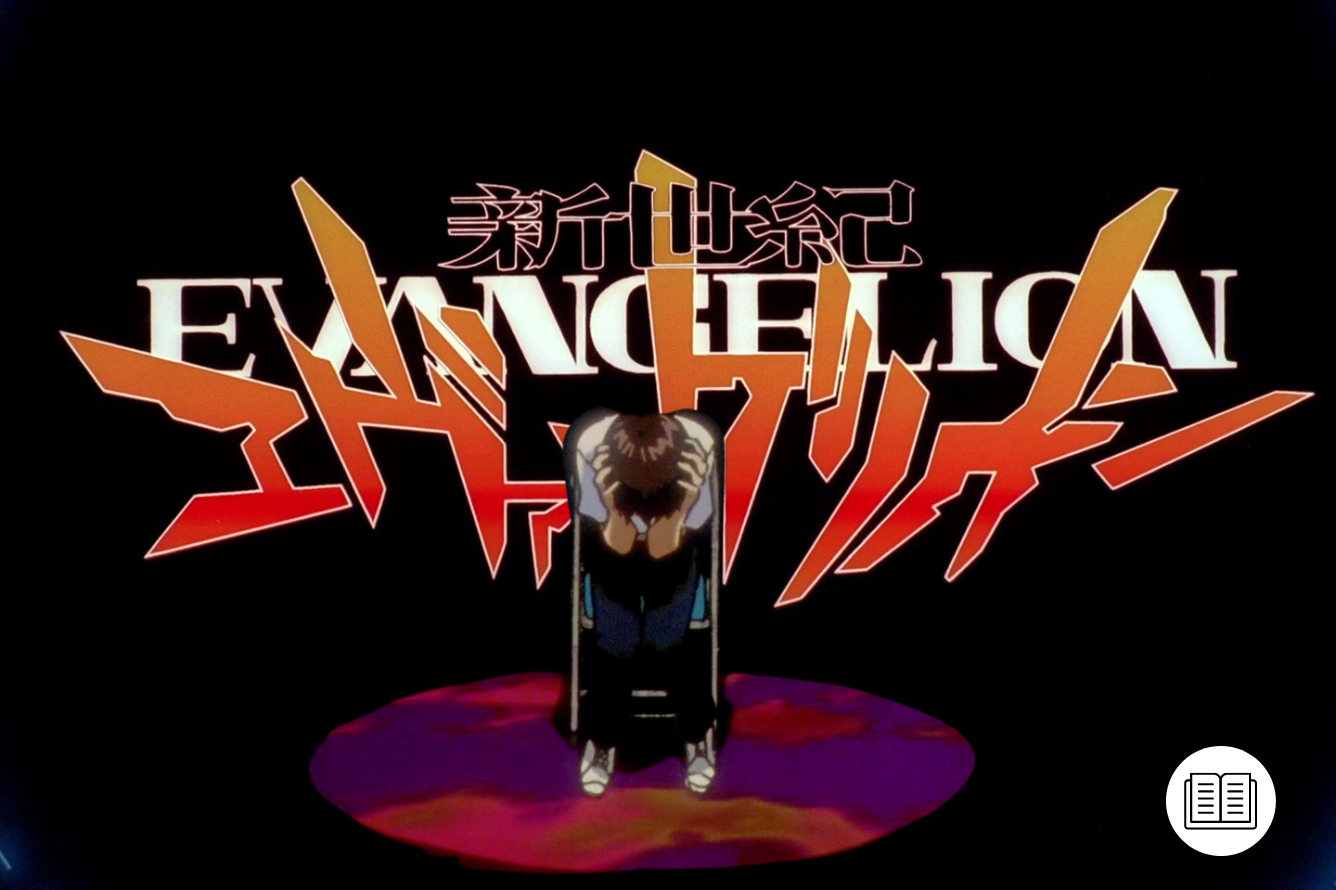
Social commentary:
Evangelion as a series is full of
social commentary, and I feel like this song is no different. When I listen to Komm Susser Tod outside of the movie, one of the main things I feel like they are
describing is fear of connection with others, with how so many phrases are
about failed connections with others and the pain from it. I also feel like they
carry themes and commentary on how self-loathing can affect how we perceive our
connections with others. Lyrics like “I just keep letting me down” and “So I feel
like the best thing I can do is end it all, and leave forever” reinforce the
themes of self-loathing in the song, and then lyrics like “I know I’ve let you
down” show how feelings about yourself color how you think others feel. The song
feels very nihilistic in nature, but to me, it also doesn’t seem like it's
treating the nihilism in it as a good thing, instead treating it as a sad conclusion
of thinking reached by someone in despair.
Personal reaction:
End of Evangelion is one of my all-time
favorite movies, second only to Blade Runner 2049, and this song is one of the
many reasons I love it so much. The way the melody and lyrics contrast in emotional
tone, and the singer’s voice, make it so pleasing to listen to for me. Another
thing I love about the song is the lyrics and how, to me, they convey different
themes about connection and self hatred while also working within the movie to
echo the protagonist’s emotions so well. I really enjoyed getting to analyze
the song and dive deeper into what it was about, now I enjoy it even more.
Citations:
“Arianne Schreiber – Komm, Süsser Tod.” Genius, 2020, genius.com/Arianne-schreiber-komm-susser-tod-lyrics.
Komm, süsser Tod - EvaWiki - An Evangelion Wiki - EvaGeeks.org. (n.d.). https://wiki.evageeks.org/Komm,_süsser_Tod
Napier, Susan J. “When the Machines Stop: Fantasy, Reality,
and Terminal Identity in ‘Neon Genesis Evangelion’ and ‘Serial Experiments
Lain.’” Science Fiction Studies, vol. 29, no. 3, 2002, pp. 418–35. JSTOR,http://www.jstor.org/stable/4241108. Accessed 23 Mar. 2026.
.jfif)
Hello Drake,
ReplyDeleteI enjoyed reading your blog and how the contrast between the calm sound and the heavy situation makes the emotions feel more unsettling and shows how denial or numbness can shape someone’s mindset. With the way you explained everything it helped me visualize how the lyrics represent someone who feels disconnected in a way. It’s extremely fascinating how music can communicate psychological depth without needing direct dialogue.
I liked how you explained the contrast between the calm, almost happy-sounding melody and the heavy lyrics, because it makes the scene feel really unsettling and helps show Shinji’s mindset through the music. That contrast works emotionally because it creates a kind of disconnect where the music feels peaceful on the surface, but the lyrics and visuals are tragic, which makes the despair feel even stronger instead of being directly intense the whole time. Your breakdown of his self-loathing and struggle to connect with others is straight to the point and makes it easier to understand the series, especially how the lyrics reflect what he is thinking during Instrumentality.
ReplyDeleteI also watched Neon Genesis Evangelion, and the movie felt really trippy in that part, especially since the song plays while the world is ending and people are dissolving and hallucinating loved ones.
I think you analysis does well in highlighting the strong social commentary on self loathing and fear of connection in Neon Genesis Evangelion. I like your explanation of how the song replaces dialogue to convey Shinji's mindset. To add on to this, the contrast between the upbeat music and dark lyrics reflects how people tend to hide internal struggles behind their positive exterior.
ReplyDelete